Every Australian garden has one: that blazing north or west-facing bed where the sun beats down all day, the soil bakes hard, and delicate plants go to die. Full-sun positions are the toughest real estate in the garden — but they are also where the most spectacular, sun-loving plants strut their stuff.
The trick is choosing plants that genuinely relish heat rather than merely tolerate it, then setting them up for success with proper soil preparation, mulch and smart watering. This guide covers the best outdoor plants for full sun across Australia — tough natives and reliable exotics — plus the techniques that keep them thriving through heatwaves.
What "full sun" means in Australia
In Australian gardening terms, full sun means six or more hours of direct sunlight daily — and in our climate, that is serious sun. A north-facing bed in Adelaide or Perth can cop intense UV and reflected heat that would fry plants labelled "full sun" in milder countries. Western aspects are harshest, copping the brutal afternoon sun; eastern aspects are gentler, with morning sun and afternoon relief.
Your local climate zone matters enormously. A plant that loves full sun in Hobart may still need afternoon protection in Alice Springs. Throughout this guide, notes on heat tolerance help you match plants to your conditions, from cool temperate Tasmania to the tropical north.
Top native picks for full sun
Westringia (coastal rosemary)
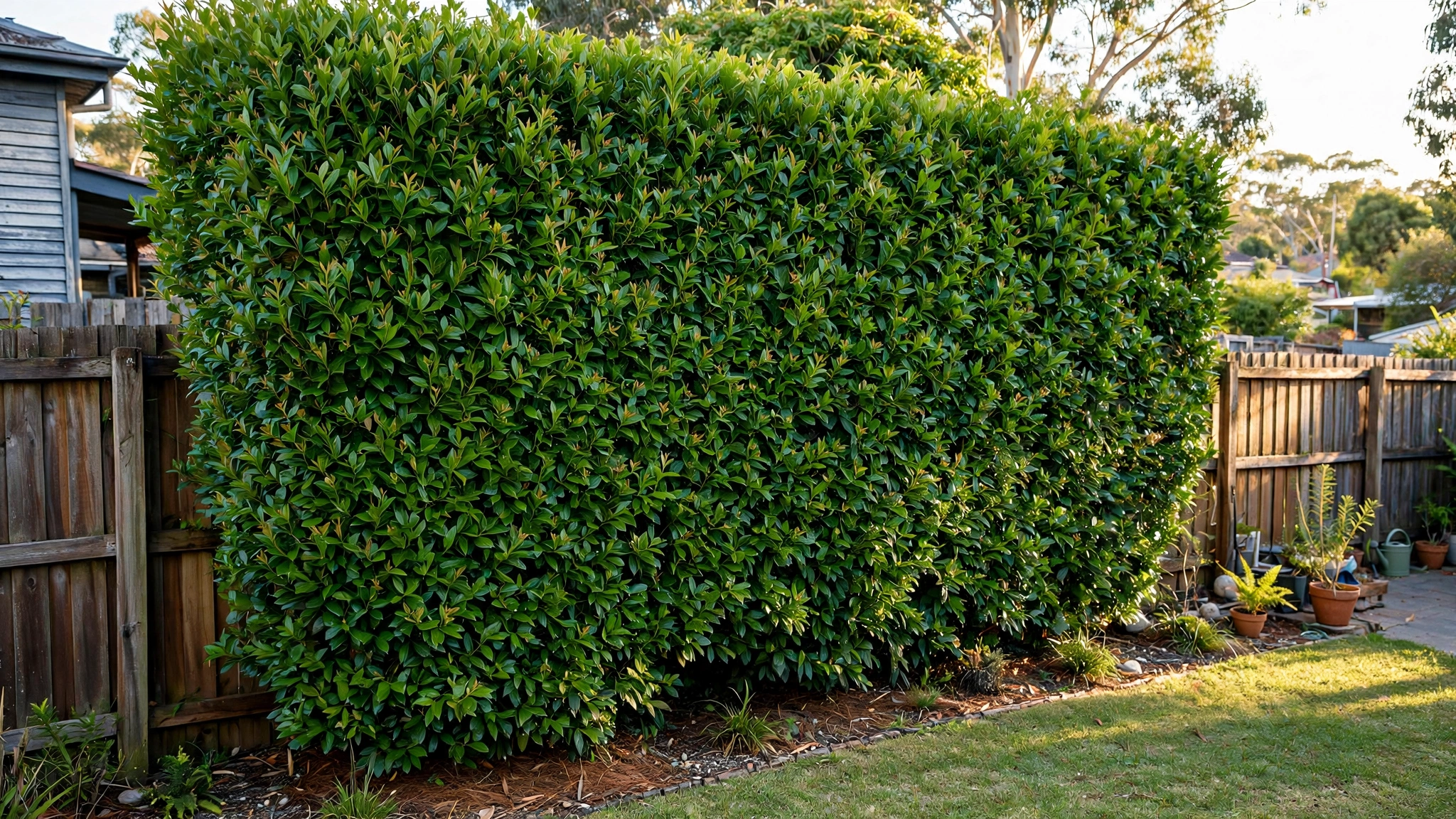
Westringia fruticosa laughs at full sun, coastal salt, wind and drought. This dense 1 to 2 metre shrub clips into neat hedges or grows naturally as a soft, grey-green mound dotted with small white flowers. It is one of the most reliable full-sun shrubs for Sydney, Melbourne, Adelaide and Perth alike.
Callistemon / bottlebrush
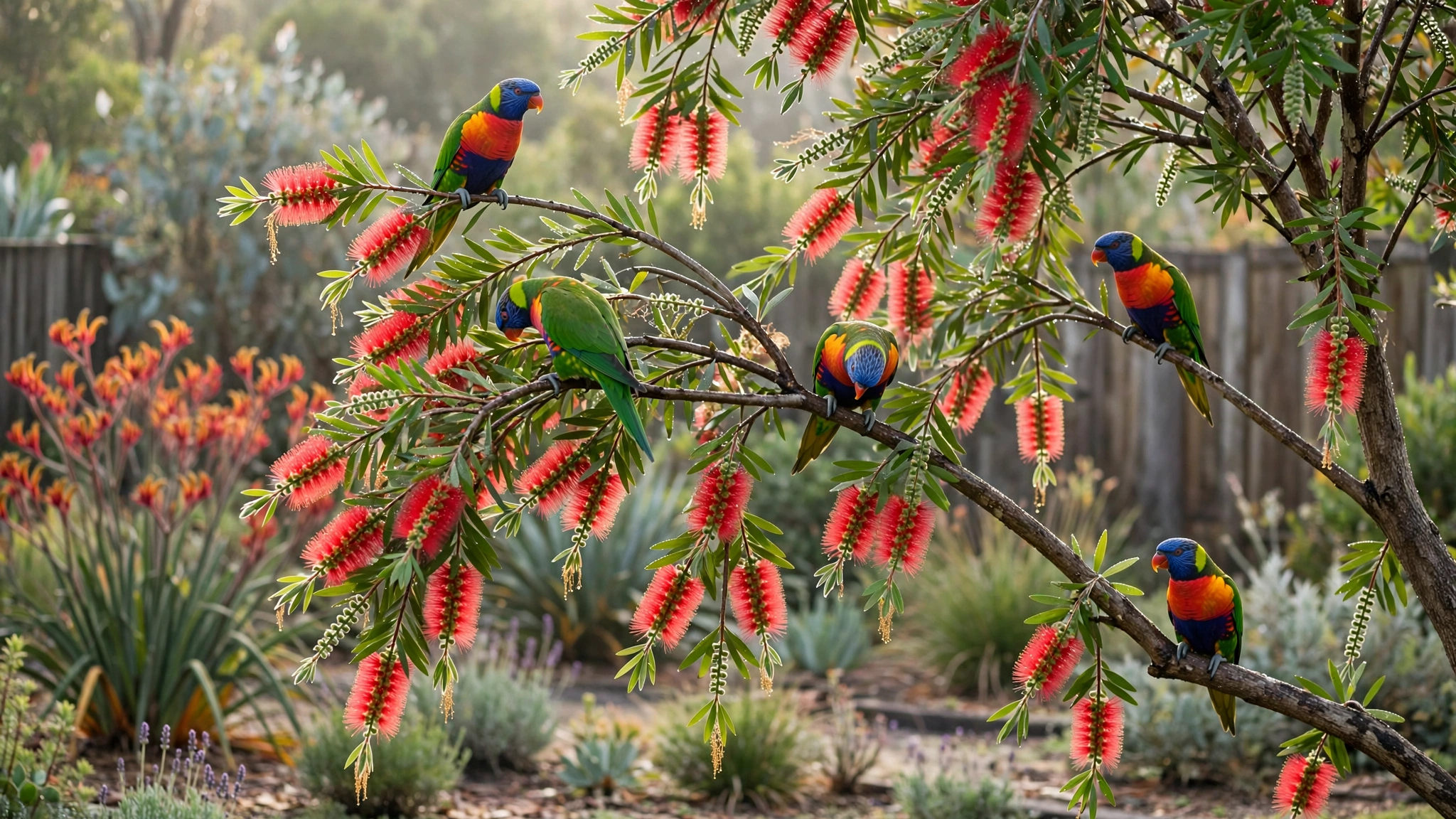
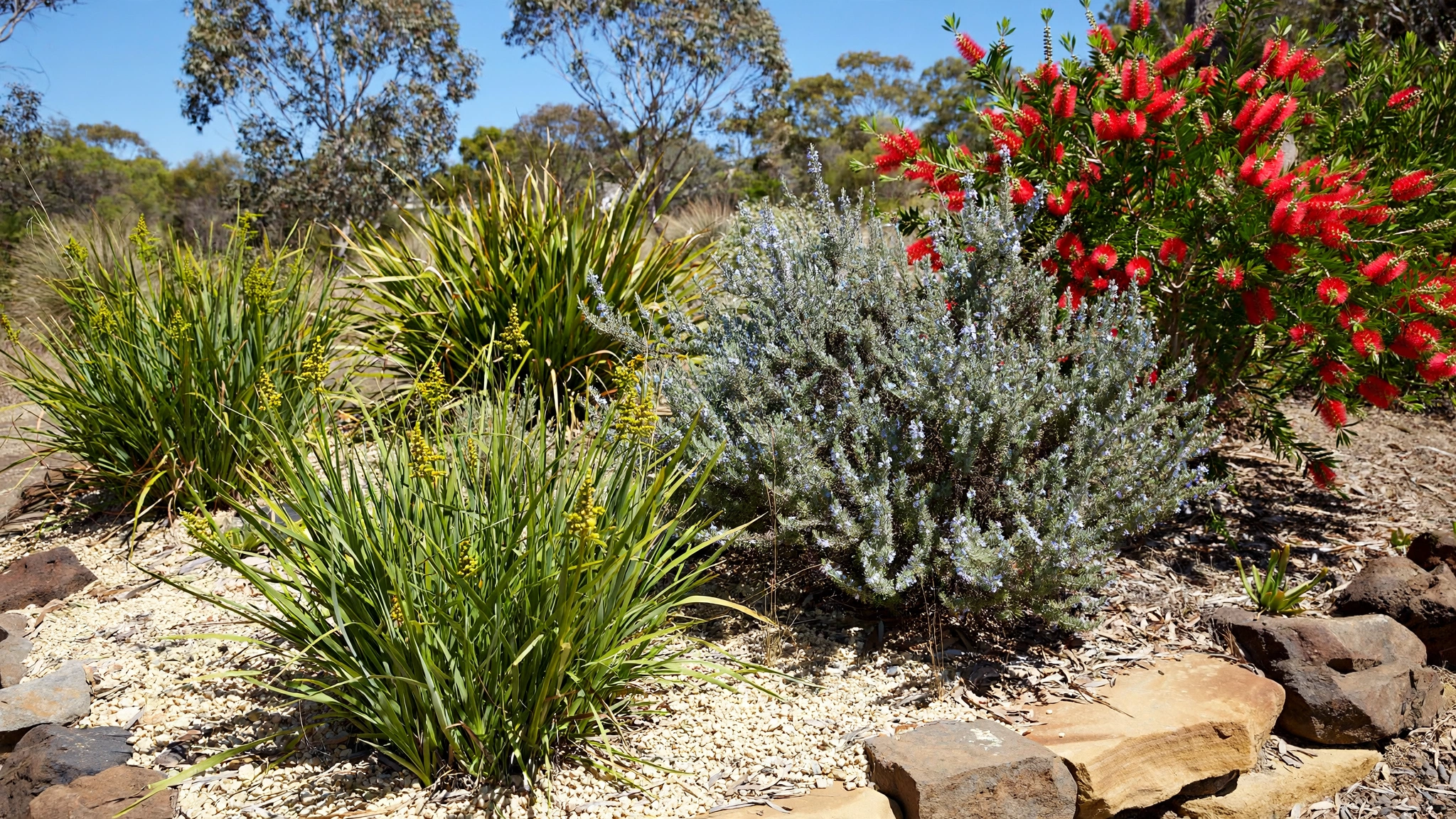
Bottlebrushes flower most prolifically in full sun, producing their famous red brushes in spring and summer. Callistemon 'Kings Park Special' makes a small 4-metre tree; dwarf forms like 'Little John' suit hot, exposed beds. They handle heat, wind and poor soils with remarkable cheerfulness.
Eremophila (emu bush)
For hot inland gardens — think western NSW, South Australia's north, inland Queensland — eremophilas are unbeatable. Silvery foliage, tubular flowers in purple, pink and red, and a genuine love of scorching sun and lean soils. Eremophila nivea and Eremophila maculata are superb garden subjects where drainage is sharp.
Dianella and lomandra
These strappy workhorses take full sun as readily as shade, making them perfect for exposed verges and hot nature strips. Lomandra 'Tanika' and Dianella 'Little Jess' stay compact, need almost no water once established, and never look scorched.
Kangaroo paw
Full sun is non-negotiable for good kangaroo paw flowering. Tall Anigozanthos flavidus types are the toughest for hot, exposed positions, while dwarf hybrids add brilliant colour to sunny beds. Ensure air circulation to keep ink spot disease at bay.
Reliable exotic picks for full sun
Lavender
Lavender adores hot, sunny, well-drained positions — essentially Mediterranean conditions, which much of southern Australia provides. Lavandula angustifolia cultivars suit cooler areas; French lavender (Lavandula dentata) and lavandin hybrids handle humidity better in Brisbane and Sydney. Shear after flowering to keep plants compact.
Agave
For architectural drama in the hottest spots, agaves are unmatched. Agave attenuata (foxtail agave) is spineless and sculptural, perfect near paths and entertaining areas; smaller species suit pots and rockeries. They need virtually no water once established and shrug off 40°C-plus days.
Rosemary
The culinary herb doubles as a superb full-sun shrub. Upright forms reach 1.5 metres for hedging; prostrate forms cascade over walls. Rosemary demands sharp drainage — the number one killer is wet feet, not heat.
Salvia
Perennial salvias flower their hearts out in full sun, drawing bees and butterflies for months. They cope with heat, bounce back from dry spells, and come in every colour from cobalt blue to hot pink. Cut back hard in late winter for a fresh spring flush.
Soil preparation for hot, sunny beds
Sun-baked beds often have the worst soil in the garden: compacted, low in organic matter, and either powdery sand or brick-hard clay. Preparation makes the difference between plants that merely survive and plants that thrive.
- Break up compaction: fork the bed to at least 30 centimetres deep. Compacted soil sheds water and strangles roots.
- Add organic matter: dig through generous quantities of composted bark, compost or aged manure (avoid fresh manure near natives). In sand, this boosts water-holding; in clay, it improves structure.
- Consider the clay fix: for heavy clay in full sun — which sets like concrete — gypsum dug through at label rates plus mounded beds 20 centimetres high transforms results.
- Level and water: water the prepared bed thoroughly a day or two before planting so you are setting plants into moist, settled soil.
Mulching: the heatwave hero
In full sun, mulch is not optional — it is essential. A 75 to 100 millimetre layer of chunky bark or woodchip mulch keeps root zones dramatically cooler, slashes evaporation, suppresses weeds and gradually feeds the soil as it breaks down.
Keep mulch clear of plant stems to prevent collar rot, and top it up annually as it decomposes — hot sun breaks mulch down faster than shade does. Avoid black plastic or weed mat under mulch in ornamental beds; they impede water penetration and overheat roots. Stone or gravel mulches suit succulents and agaves but radiate heat, so use them thoughtfully around softer plants.
In a heatwave, the temperature difference between mulched and bare soil can exceed 15°C at root level. Mulch is the cheapest insurance your sunny bed will ever have.
Watering full-sun gardens, including heatwaves
New plantings in full sun need diligent watering through their first summer — deep soakings twice a week, more during extreme heat. Established drought-tolerant plants need far less, but "drought tolerant" does not mean "never water".
Smart watering practices
- Water deeply and infrequently to encourage deep roots — shallow daily sprinkles create shallow, heat-vulnerable root systems.
- Water early in the morning to minimise evaporation and allow foliage to dry.
- Use drip irrigation or soaker hoses: they deliver water to roots with minimal waste and keep foliage dry.
- Group plants with similar water needs together so thirsty plants do not force you to overwater tough ones.
Surviving heatwaves
When the mercury pushes past 40°C for consecutive days, even tough plants stress. Give the whole bed a deep soak the evening before extreme heat arrives — hydrated plants cope far better. Temporary shade cloth (30 to 50 per cent) draped over star performers prevents scorch. Potted plants in full sun may need twice-daily watering; move smaller pots into afternoon shade. And check local water restriction rules — most Australian councils allow hand-watering or drip systems even during restrictions.
Frequently Asked Questions
What is the toughest full-sun plant for a beginner?
Westringia fruticosa (coastal rosemary) is arguably the toughest all-rounder: it handles full sun, wind, salt, drought and poor soil across most of Australia, needs only an occasional clip, and looks good year-round. Lomandra 'Tanika' is the set-and-forget ground-level equivalent.
Can I grow vegetables in full sun in Australia?
Absolutely — most vegetables crave full sun — but Australian summers are intense. Tomatoes, capsicums, eggplants, cucumbers and pumpkins thrive with consistent water and mulch. In extreme heat regions, afternoon shade cloth and heavy mulching keep crops productive through January and February. Leafy greens prefer part shade in summer.
Why do my full-sun plants still wilt even when I water?
Wilt in extreme heat is often temporary: plants close leaf pores to conserve water and recover overnight. If they recover by morning, watering is adequate. Persistent wilt indicates root problems — compacted soil, root-bound pots, or mulch piled against stems. Water the soil deeply rather than misting foliage, which does little in heat.
How do I protect new plants planted in spring before summer hits?
Spring planting (September to October) gives plants a head start, but they still face their first summer young. Mulch heavily, water deeply and regularly, and consider temporary shade cloth over the bed during the first January and February. Choosing advanced-size plants rather than tiny tubes also helps — bigger root systems handle heat better.
Are native or exotic plants better for full sun?
Both have champions. Australian natives like westringia, callistemon and eremophila evolved for intense sun and are unbeatable for low water use. Mediterranean exotics like lavender, rosemary and agave are equally sun-hardy and bring different textures. A mixed planting gives the best of both — just keep the high-phosphorus fertiliser away from the natives.