Sydney gardeners are spoilt for choice. With warm summers, mild winters and a landscape shaped by ancient sandstone soils, the harbour city is prime territory for Australian native plants — the very species that evolved right here in the Sydney basin. Yet walk through many Sydney suburbs and you will still see thirsty lawns and struggling exotic shrubs that demand constant watering, feeding and fussing.
Choosing native plants is not just an environmental statement. It is the practical, low-maintenance option. Natives are adapted to Sydney's rainfall patterns, they cope with the occasional heatwave, and once established they largely look after themselves.
This guide rounds up the ten best native plants for Sydney gardens, chosen for reliability, beauty and genuinely low maintenance. Whether you garden on a windswept coastal block in Bondi or a clay-soil lot in the western suburbs, there is something here for you.
Why native plants suit Sydney so well
Sydney sits in a warm temperate climate zone with average summer highs around 26°C and winter lows rarely dipping below 8°C. Annual rainfall is roughly 1,200 millimetres, but it arrives in bursts — a drenching east-coast low one week, then weeks of dry the next. Add Sydney's famously poor, sandy soils (with pockets of heavy clay in the west and south-west), and you have conditions that many European and Asian garden plants find stressful.
Australian natives evolved for exactly this. Proteaceae family members like grevilleas, banksias and hakeas thrive in low-nutrient soils where roses and camellias starve. Strappy-leaved plants like lomandra and dianella shrug off both downpours and dry spells. And because these plants belong here, they slot straight into the local ecology, feeding the birds and insects that keep a garden healthy.
There is a practical angle too. Sydney Water has imposed water restrictions in the past during drought, and smart gardeners design for the dry times rather than the wet ones. A native garden can cut outdoor water use dramatically once plants are established — usually within their first 12 to 18 months.
The 10 best native plants for Sydney gardens
1. Grevillea
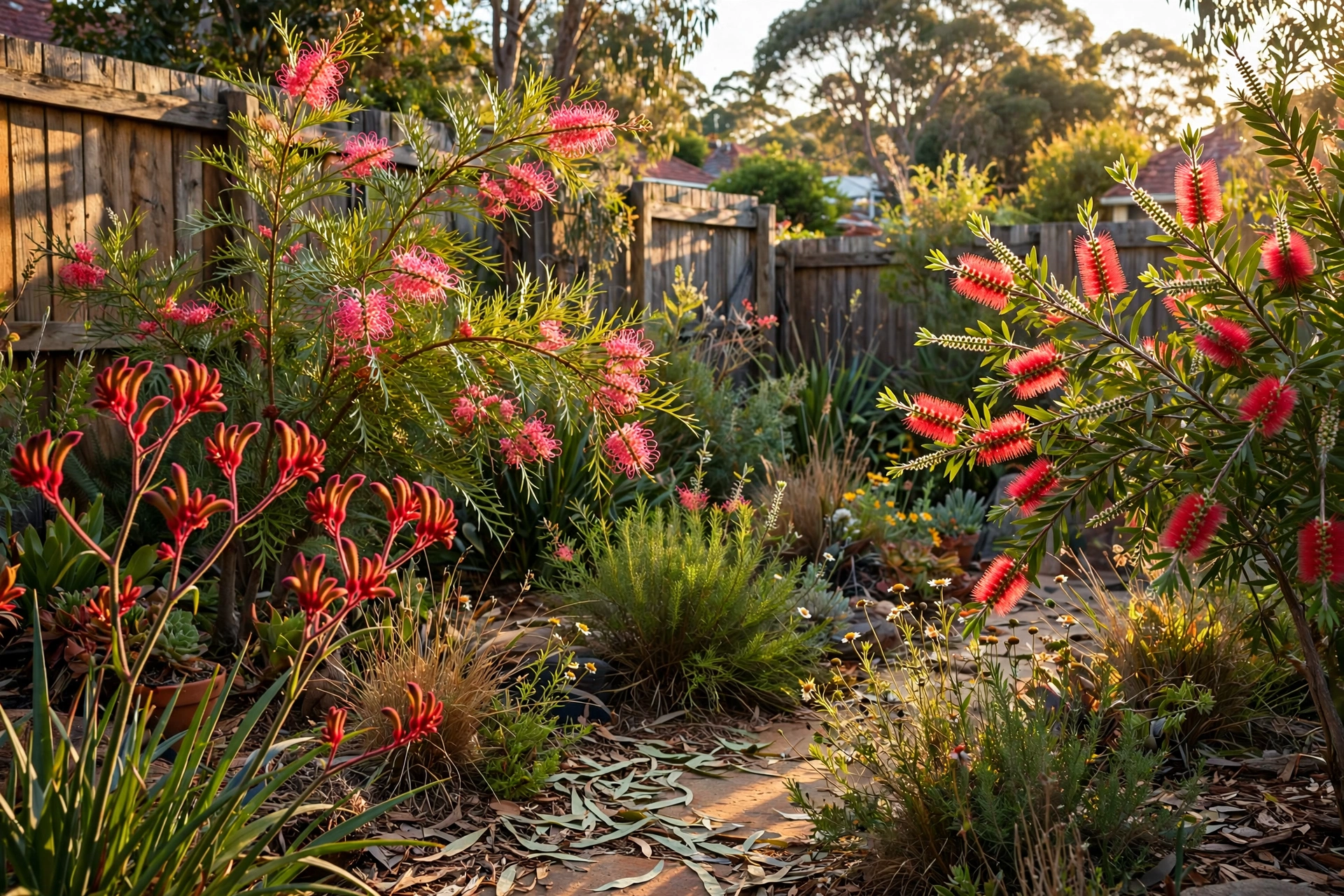
Few plants earn their place in a Sydney garden like a grevillea. With hundreds of species and cultivars, there is a grevillea for every spot — from groundcovers like Grevillea 'Bronze Rambler' to medium shrubs like Grevillea 'Superb' and Grevillea 'Moonlight', which can reach 3 to 4 metres. They flower for months, often right through winter when little else is blooming, and the nectar-rich blooms are magnets for honeyeaters and lorikeets.
Grevilleas need full sun to light shade and excellent drainage. They hate phosphorus, so use a low-phosphorus native fertiliser or none at all. Tip-prune after flowering to keep them dense and floriferous.
2. Banksia
Banksias are architectural showstoppers. Banksia spinulosa (hairpin banksia) and its compact cultivar 'Birthday Candles' suit smaller gardens, growing 1 to 2 metres tall with stunning candle-like flower spikes in autumn and winter. Larger species like Banksia serrata make superb feature trees for bigger blocks.
Like grevilleas, banksias demand sharp drainage and despise phosphorus-rich fertilisers. Plant them in sandy or loamy soil, mulch with chunky bark, and water deeply but infrequently while they establish.
3. Kangaroo paw (Anigozanthos)
With their velvety, paw-shaped blooms in reds, yellows, greens and pinks, kangaroo paws are unmistakably Australian. Tall varieties of Anigozanthos flavidus reach over a metre and are the toughest of the lot, while dwarf hybrid cultivars suit pots and garden edges.
Give them full sun, good air circulation and free-draining soil. The main enemy is ink spot disease, a fungal problem encouraged by humidity — Sydney's coastal humidity means choosing disease-resistant cultivars and avoiding overhead watering pays off. Cut flowered stems to the base to encourage fresh growth.
4. Lomandra
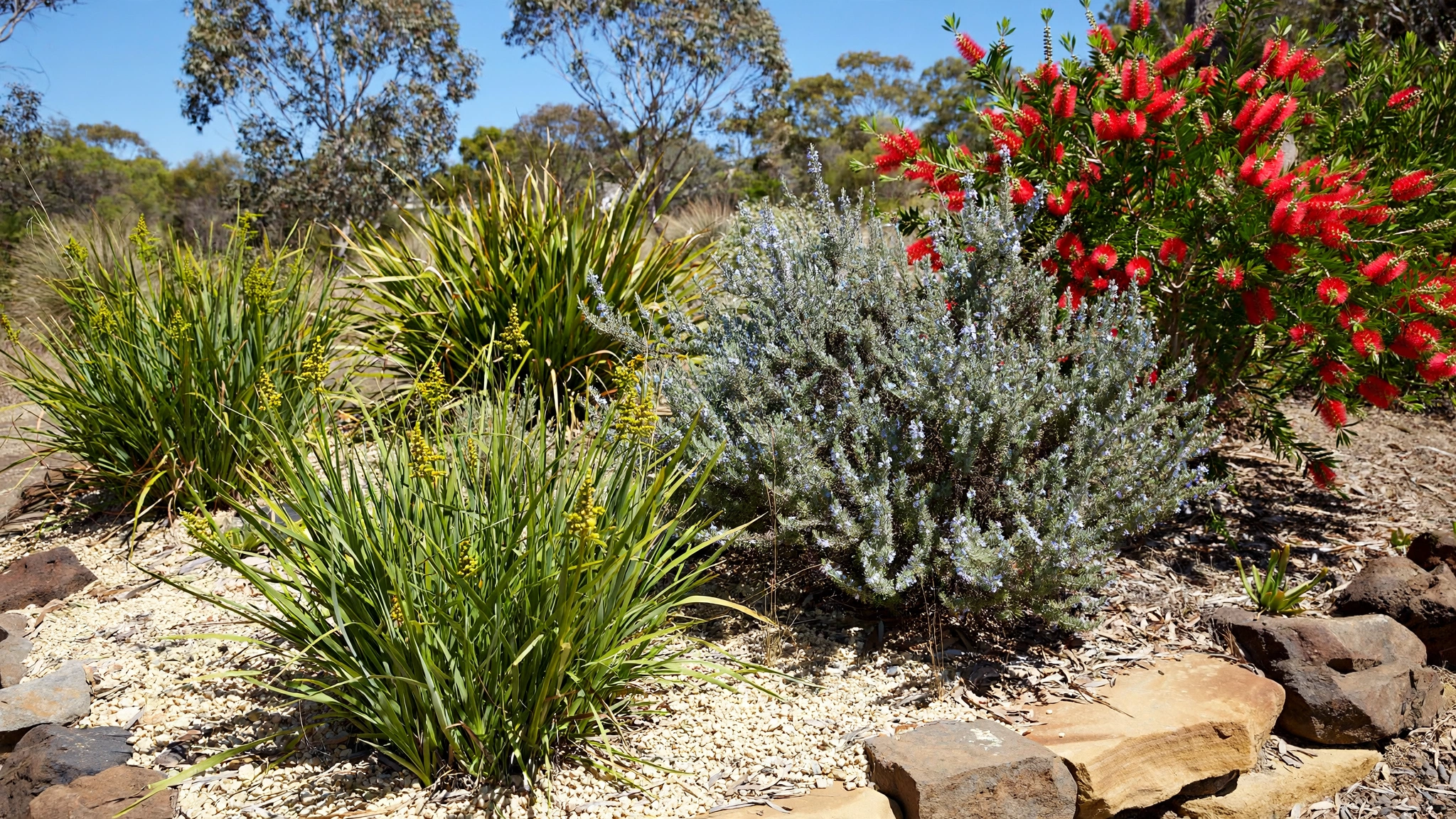
If you want a plant you can almost forget about, plant lomandra. Lomandra longifolia and its refined cultivars like 'Tanika' and 'Lime Tuff' form graceful fountains of strappy foliage that tolerate sun, shade, frost, drought and even the occasional inundation. They are perfect for mass planting, edging paths and filling awkward spots.
Lomandra copes with both Sydney's sandy coastal soils and the heavy clays of the west. Cut back every couple of years if foliage looks tired — it bounces back vigorously in spring.
5. Westringia (coastal rosemary)
Westringia fruticosa is the workhorse of Sydney gardens. This dense, grey-green shrub grows 1 to 2 metres tall, clips beautifully into hedges, tolerates coastal salt spray and needs very little water once established. Small white or pale mauve flowers appear through much of the year.
Plant in full sun to part shade in any reasonably drained soil. Shear lightly after flowering to keep hedges tight. Cultivars like 'Smokey' and 'Mundi' offer different habits for different jobs.
6. Bottlebrush (Callistemon, now Melaleuca)
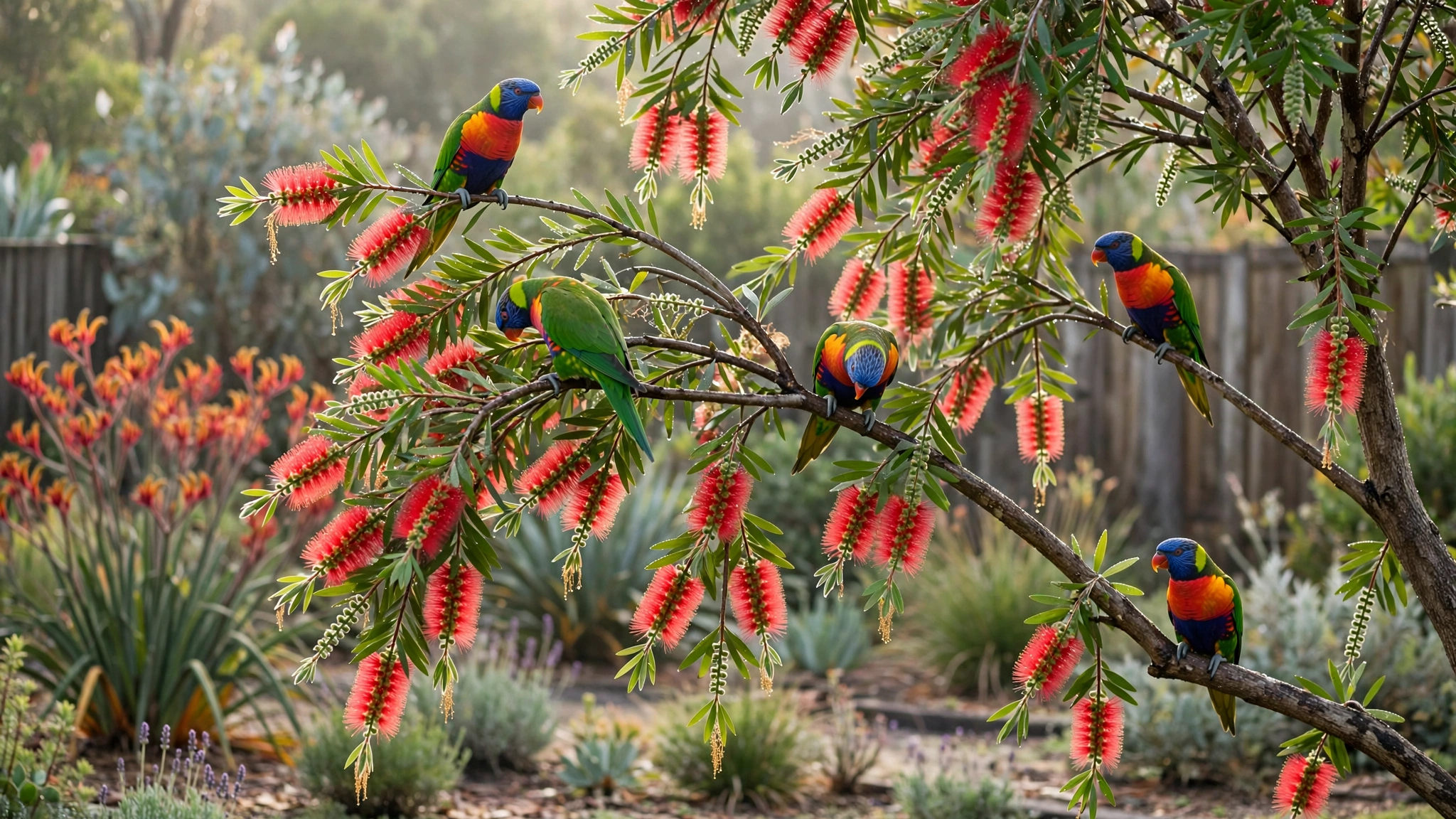
Bottlebrushes are Sydney classics for good reason. Their brilliant red (and sometimes pink, white or yellow) bottlebrush flowers light up the garden in spring and summer, drawing clouds of lorikeets and honeyeaters. Callistemon 'Kings Park Special' grows into a small tree of 4 to 5 metres, while dwarf forms like 'Little John' stay under a metre for compact spaces.
Most bottlebrushes are adaptable to a range of soils, including heavier clay, and tolerate both wet feet and dry spells once established. Prune lightly after flowering — never cut into old bare wood.
7. Dianella (flax lily)
Dianella caerulea and its cultivars such as 'Little Jess' produce clumps of strappy blue-green foliage followed by sprays of small blue flowers and vivid blue berries. They thrive in shade where many plants struggle, making them ideal under established trees or along shaded side passages.
Extremely tough once established, dianella tolerates drought, frost and Sydney's variable soils. Divide congested clumps in early spring every few years.
8. Correa (native fuchsia)
Correas bring colour to the winter garden, flowering from autumn through winter in shades of red, pink and green. Correa reflexa and Correa alba grow 1 to 1.5 metres and suit part-shade positions, such as under eaves or on the southern side of the house.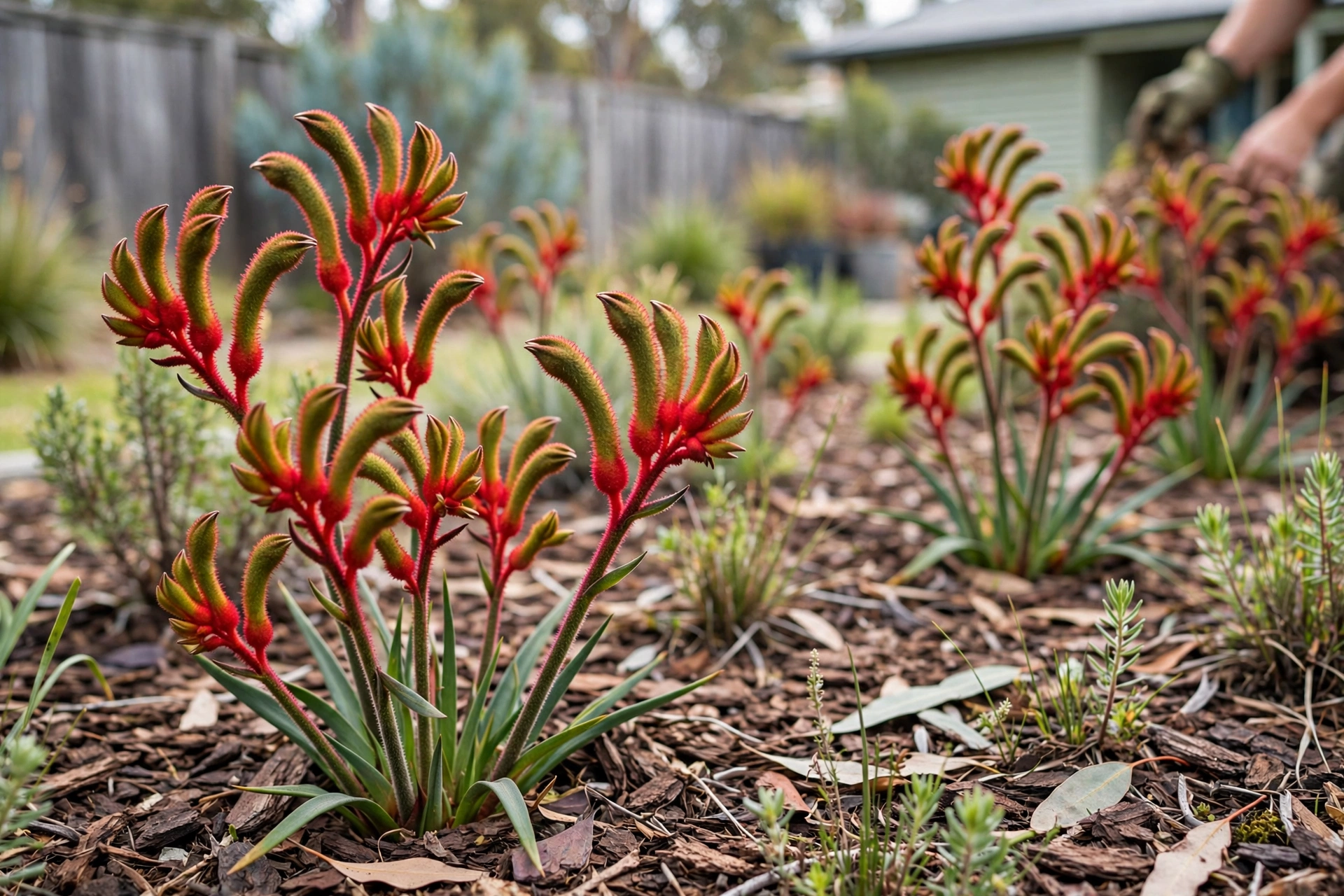
They prefer well-drained soil enriched with a little organic matter and appreciate shelter from harsh afternoon sun. Tip-prune after flowering for bushy growth.
9. Hakea
Hakeas are the under-appreciated cousins of grevilleas. Hakea laurina (pincushion hakea) produces extraordinary red-and-cream pincushion flowers in late autumn and winter, while Hakea salicifolia makes a fast, hardy screening shrub. Many hakeas handle poorer soils and tougher conditions than grevilleas.
Full sun and excellent drainage are essential. Like all Proteaceae, avoid phosphorus fertilisers entirely.
10. Lilly pilly (Syzygium)
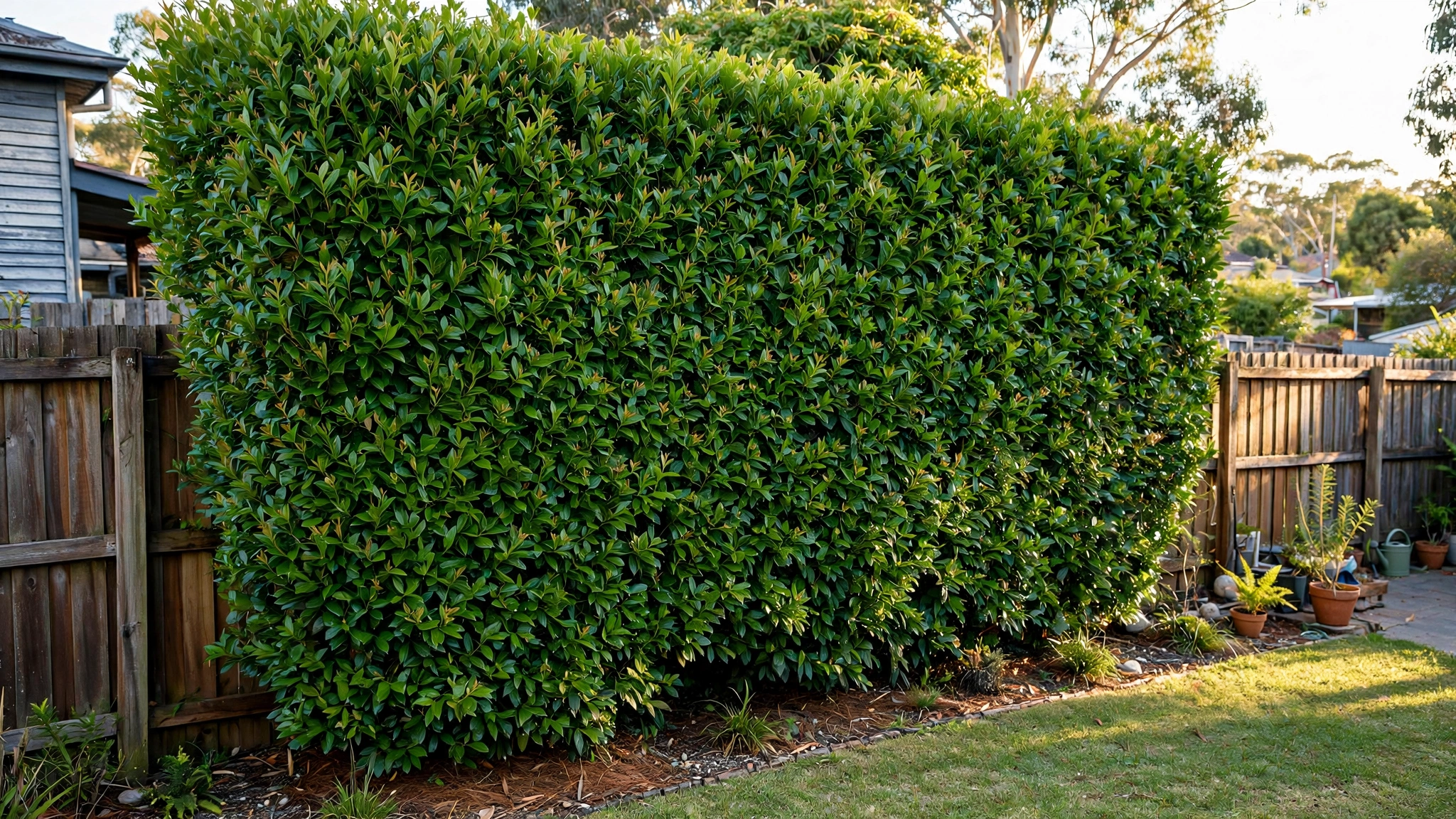
For screening and hedging, lilly pilly is hard to beat. Syzygium australe and Syzygium paniculatum grow quickly into dense evergreen screens 3 to 5 metres tall, with glossy new growth in bronze or pink and fluffy white summer flowers followed by edible berries.
Modern psyllid-resistant cultivars such as 'Resilience' and 'Straight and Narrow' have solved the insect problems that plagued older varieties. Plant in full sun to part shade, water well during establishment, and trim two to three times a year for a crisp hedge.
Planting tips for Sydney soil
Sydney's soils vary enormously. Eastern suburbs and the north shore sit on Hawkesbury sandstone — deep, sandy, acidic and desperately low in nutrients. Western Sydney and parts of the south-west have heavier clay soils derived from shale. Before planting, dig a test hole: if water drains away within an hour, you have sandy soil; if it sits, you have clay.
For sandy soils, the main job is adding organic matter. Dig composted bark or quality compost through the planting zone and finish with a thick layer of chunky mulch, keeping it clear of stems. For clay soils, mound planting beds 20 to 30 centimetres above grade and consider gypsum to improve structure. Many natives — particularly Proteaceae — are more forgiving of poor sandy soil than rich, waterlogged clay.
The best planting times in Sydney are autumn (March to May) and early spring (September to October). Autumn planting is ideal: warm soil encourages root growth while cooler air reduces water stress, giving plants a full winter to establish before summer heat.
Watering wisely in the harbour city
New native plantings need regular deep watering for their first summer — typically once or twice a week depending on rainfall. After that, most of the plants on this list survive on rainfall alone, though they all look better with an occasional deep drink during extended dry spells or heatwaves.
Water early in the morning to reduce evaporation and fungal problems. A 75 to 100 millimetre layer of mulch is the single best investment you can make — it keeps roots cool, suppresses weeds and dramatically cuts evaporation.
Golden rule: natives are drought tolerant, not drought proof. The first summer is when they need you most — after that, they return the favour.
Frequently Asked Questions
When is the best time to plant natives in Sydney?
Autumn, from March to May, is the best planting window. The soil is still warm from summer, which encourages strong root growth, while cooler air temperatures and (usually) reliable rain reduce transplant stress. Early spring, from September to October, is the second-best option. Avoid planting in the peak of summer heat or during extended dry spells.
Do native plants need fertiliser?
Most established natives need little to no fertiliser, which is part of their low-maintenance appeal. If you do feed them, use a slow-release fertiliser formulated for Australian natives — these are low in phosphorus, which is toxic to Proteaceae family plants like grevilleas, banksias and hakeas. Never use standard rose or citrus fertilisers on natives.
How do I deal with heavy clay soil in western Sydney?
Improve drainage rather than fighting the clay. Build mounded garden beds 20 to 30 centimetres high, dig gypsum through the soil to help break up the clay structure, and choose clay-tolerant species like bottlebrush, lomandra and dianella. Avoid plants that demand perfect drainage, such as most banksias, unless you are prepared to mound-plant them.
Are native gardens really lower maintenance than exotic gardens?
Genuinely, yes — once established. Natives suited to your conditions need far less water, little or no fertiliser, and minimal pest control. The main ongoing jobs are tip-pruning after flowering, refreshing mulch once a year, and an occasional deep water during extreme heat. The first 12 to 18 months require more attention while root systems establish.
Will native plants attract too many birds or possums?
Native plants will attract birds — that is one of their great joys — including lorikeets, honeyeaters and rosellas. Possums are attracted more by fruit trees and accessible roof cavities than by native shrubs. A balanced native garden with dense shrubs actually gives small birds shelter from larger aggressive species like noisy miners.